


¿Qué es el vidrio laminado acústico? Guía para el control del ruido y la selección de vidrio
Traffic, railway activity, and surrounding commercial developments can affect comfort inside a building. For glass importers, window manufacturers, and architectural project suppliers, choosing suitable glazing is an important part of addressing these noise concerns.
Acoustic laminated glass uses a specialized interlayer between glass panes to reduce vibration and sound transmission. Its effectiveness depends on the glass construction, the noise source, and the complete window or façade system.
Leader Glass Co., Ltd. is a Qingdao-based glass manufacturer and exporter whose deep-processed product range includes laminated glass and insulated glass. For projects requiring acoustic glazing, the interlayer, glass configuration, and supporting performance documentation should be confirmed before ordering.
What Is Acoustic Laminated Glass?
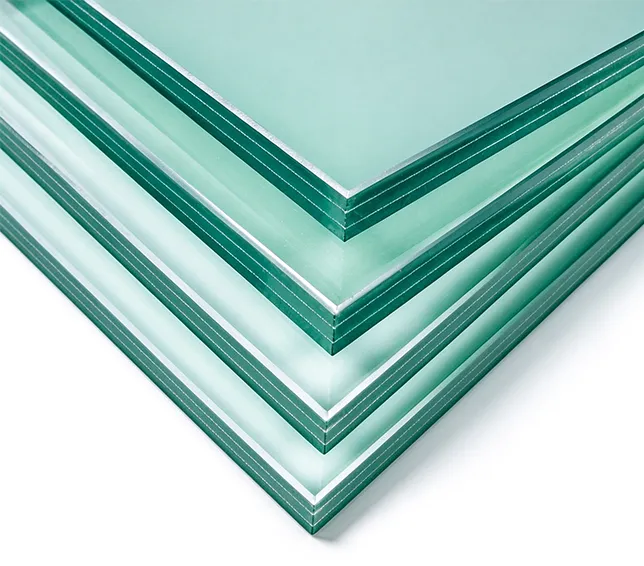
Acoustic laminated glass consists of two or more glass panes bonded together with a sound-damping interlayer. This interlayer helps reduce the vibration that carries sound through the glazing.
Like other laminated glass products, its bonded construction helps retain glass fragments after breakage. The acoustic version adds an interlayer specifically designed to improve sound insulation.
The distinction matters when preparing a specification: standard laminated glass should not automatically be treated as acoustic laminated glass. Buyers should identify the interlayer and request performance information for the proposed construction.
How Does Acoustic Laminated Glass Reduce Noise?
Sound waves cause glass to vibrate. Those vibrations can transfer sound energy from one side of a window to the other.
An acoustic interlayer provides damping within the laminated structure. As the glass vibrates, the interlayer dissipates part of that mechanical energy, reducing the amount transmitted through the glazing.
However, sound insulation varies with frequency. A configuration suitable for one noise source may perform differently against another. Traffic, voices, and industrial equipment should therefore be assessed according to the relevant project requirements.
Why Glass Thickness Is Only Part of the Solution
Increasing glass thickness can improve sound insulation, but thickness alone does not describe the complete acoustic performance.
The thickness of each pane, the interlayer properties, and the overall glazing construction work together. Selecting glass solely by total thickness can overlook these differences.
Why Different Pane Thicknesses May Be Used
Some acoustic glazing constructions use panes of different thicknesses. This asymmetrical arrangement can help address weaknesses associated with matching pane behavior at particular frequencies.
The appropriate combination should be selected using performance data for the proposed construction.
Acoustic Laminated Glass vs. Standard Laminated Glass
Both products use a bonded glass structure, but their interlayers serve different performance priorities.
| Comparison | Standard Laminated Glass | Acoustic Laminated Glass |
|---|---|---|
| Construction | Glass panes bonded with a standard interlayer | Glass panes bonded with a specialized acoustic interlayer |
| Main selection purpose | Fragment retention and specified safety requirements | Sound insulation alongside specified safety requirements |
| Acoustic assessment | Depends on the actual construction | Depends on the acoustic interlayer and complete construction |
| Purchasing requirement | Confirm glass specification and applicable safety documentation | Confirm glass specification, interlayer, and acoustic documentation |
Neither product should be selected by its name alone. The complete specification and relevant test evidence provide the basis for comparing options.
How to Specify Acoustic Laminated Glass for Your Project
A clear purchasing specification helps suppliers evaluate the requirement and prepare comparable quotations.
1. Identify the Noise Source
Describe whether the main concern is road traffic, rail activity, aircraft, voices, or equipment. Include an acoustic assessment or consultant’s specification when available.
2. Define the Required Performance
Provide the required acoustic rating and applicable test method, where specified. If the project uses STC or Rw values, identify the required metric clearly rather than treating the two as interchangeable.
Also confirm whether the requirement applies to the glass, the complete window, or the façade assembly.
3. Confirm the Glazing Arrangement
State whether the project requires a laminated pane or an insulated glass unit incorporating laminated glass.
Include size limits, weight restrictions, and frame compatibility so the proposed construction can be reviewed against the application.
4. Review Other Project Requirements
Sound insulation may need to be coordinated with:
- Safety glazing requirements.
- Thermal insulation and solar control.
- Glass appearance and light transmission.
- Edge processing and fabrication details.
- Applicable project standards.
Each requirement should be confirmed for the proposed product.
5. Request Supporting Documentation
Ask for acoustic reports relevant to the offered construction. Review the tested pane thicknesses, interlayer, dimensions, and assembly details before relying on a stated rating.
If an offered configuration differs from the tested sample, clarify the basis for any performance claim.
Discuss Your Glass Requirements with Leader Glass
Leader Glass Co., Ltd. manufactures and exports glass products for international B2B customers. Based in Qingdao, China, the company offers four principal product families:
- Vidrio flotado: Including clear float, low-iron, tinted, and reflective glass.
- Mirror Glass: Including aluminium mirror and silver mirror.
- Decorative Glass: Including patterned glass and other decorative product options.
- Deep Processed Glass: Including tempered, Low-E, laminated, and insulated glass.
With more than 10 years of relevant glass manufacturing, development, and export experience, Leader Glass supplies customers in more than 30 countries and areas across Asia, Africa, America, and Europe.
The company supports customized supply and OEM/ODM cooperation, together with quality-assurance support, packaging and container loading, shipment coordination, and after-sales communication.
For an acoustic glazing inquiry, share the required construction and performance target with Leader Glass. Acoustic interlayer availability, processing options, and relevant documentation must be confirmed for the specific request.
What Information Should You Include in an Inquiry?
Providing clear details helps reduce clarification and makes quotations easier to compare.
| Inquiry Item | Information to Provide |
|---|---|
| Aplicación | Windows, doors, curtain walls, partitions, or another intended use |
| Noise source | Traffic, railway activity, aircraft, voices, or equipment |
| Acoustic requirement | Required rating, test method, and whether it applies to glass or the complete assembly |
| Glass construction | Pane thicknesses, interlayer requirement, and insulated unit details where applicable |
| Dimensions | Glass width, height, quantity, and drawings where available |
| Additional requirements | Safety, appearance, thermal performance, and processing details |
| Delivery requirements | Destination, packing needs, and requested schedule |
If the construction has not yet been specified, provide the available project requirements so suitable options can be discussed.
Conclusion
Acoustic laminated glass combines a bonded glass structure with a sound-damping interlayer to reduce sound transmission. Selecting it successfully requires attention to the noise source, glass construction, supporting test data, and complete framing system.
Vidrio líder supports international buyers with laminated glass and other glass product inquiries. Contact the team to discuss your project specifications, customization needs, and export supply requirements.
FAQ
What is the difference between acoustic laminated glass and ordinary laminated glass
Acoustic laminated glass uses a specialized interlayer designed to damp vibration. Ordinary laminated glass also has a bonded structure, but its acoustic performance should not be assumed to match a construction using an acoustic interlayer.
Does acoustic laminated glass completely block outside noise?
No. It reduces sound transmission. The result depends on the glass configuration, noise frequency, frame design, sealing, and installation.
Can acoustic laminated glass be used in double glazing?
Yes. It can form part of an insulated glass unit. The complete configuration should be selected according to the project’s acoustic, thermal, and safety requirements.
Is thicker laminated glass always better for sound insulation?
Thickness is one factor. Interlayer properties, pane combinations, and the complete glazing system also affect performance. Compare tested constructions rather than total thickness alone.
What should I confirm with Leader Glass before ordering acoustic glazing?
Confirm the glass construction, acoustic interlayer availability, required performance documentation, dimensions, processing, quantity, packing, and delivery terms. The supplied company information identifies laminated and insulated glass within the product range; specific acoustic configurations require separate confirmation.