


How to Order Custom Tempered Glass in Bulk
One wrong hinge cutout can hold up an entire shipment of shower doors. When a bulk order includes several similar panels, small drawing errors are easy to miss and expensive to fix after tempering. A clear order schedule helps you catch those differences before production.
To order custom tempered glass in bulk, send an itemized panel schedule, approved fabrication drawings, quantities, and the intended application. Confirm the glass type, thickness, edge finish, holes, and cutouts for each item. Before releasing the full batch, agree on sample approval, inspection criteria, crate labels, and delivery requirements.

1. Why Do Bulk Tempered Glass Orders Go Wrong?
Problems often start when a buyer describes a mixed order as one product. A request for “200 clear panels” gives the supplier a total quantity, but it leaves several questions open. How many sizes are there? Do some pieces need holes or polished edges? Are the left and right versions separate items? A pane can match the thickness on the purchase order and still be unusable if it cannot fit the hardware.
Use a separate part number for each distinct panel. For example, if two shower doors have the same width and height but different hinge cutouts, give each one its own drawing reference. Use that reference in the quotation, purchase order, inspection record, and packing list. When you order custom tempered glass, the part number gives both teams a way to identify exactly which piece they are discussing.
2. What Should a Glass Panel Schedule Include?
A panel schedule is the master list of everything in the order. It should show the part number, drawing revision, finished dimensions, glass type, thickness, edge finish, fabrication details, and quantity. The drawing provides the geometry. The schedule tells the supplier which version to make and how many pieces to produce.
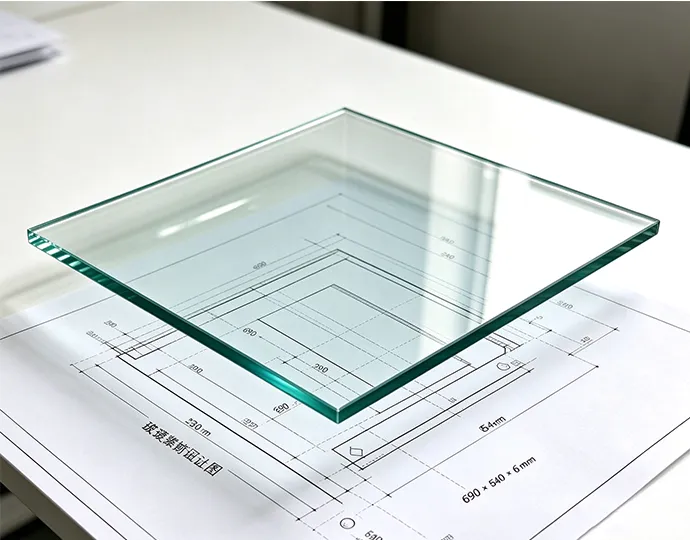
Use finished glass dimensions on the drawing. A frame opening, site measurement, or nominal shower width is useful background, but the fabricator needs the actual size of the panel. If the dimensions are still provisional, flag them when requesting a budget quote and issue the final drawing before authorizing production.
| Schedule field | What to include |
|---|---|
| Part identification | Item number, drawing file, and revision |
| Glass specification | Base glass, thickness, appearance, and heat treatment |
| Finished size | Width, height, shape, and agreed tolerances |
| Fabrication | Hole diameters, centre positions, notches, and corner radii |
| Edge finish | Finish required on each edge, especially visible edges |
| Order quantity | Number of pieces for each part number |
| Inspection and packing | Required marks, documentation, labels, and packing groups |
3. How Do You Order Shower Door Glass in Multiple Sizes?
Start with the hardware. Send the hinge, handle, and bracket templates alongside the shower door drawing. Give each hole or cutout a clear reference point, and mark which side the drawing is viewed from. If a door has left and right versions, identify them individually. This helps the supplier confirm the orientation before cutting the glass.
Consider a hypothetical order for one fixed panel and two door variants. The two doors have the same finished size, but their hinge cutouts are on opposite sides. If the supplier packs them under one generic label, the receiving team has to open the crates and identify the panels by hand. Three part numbers, one for each design, allow the workshop, inspector, and installer to use the same references.
For a new enclosure range, check how the first piece fits the actual hardware before approving the full run. A sample without cutouts can help you assess colour and edge appearance. A fabricated first piece lets you check hole alignment, hinge fit, and orientation.
4. What Changes When Buying Safety Glass for Doors and Windows?
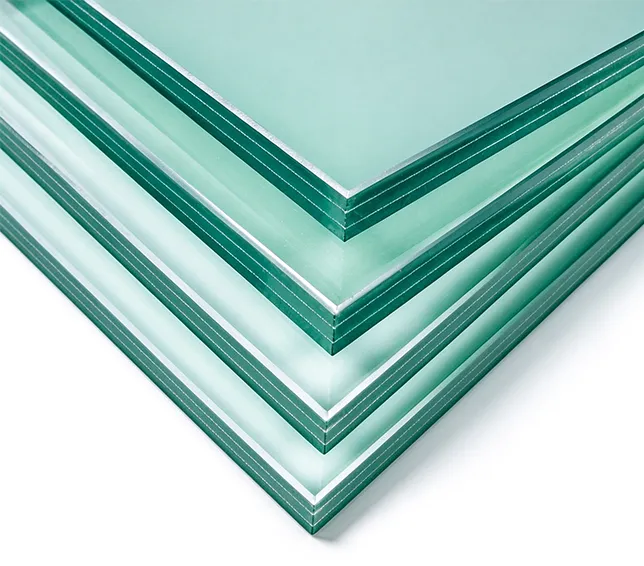
For entrance doors and partitions, the buyer needs to confirm the glass construction alongside the hardware and project requirements. Record where the panel will sit, how the system supports it, and what documentation or marking the project requires. Where a design calls for fragment retention after breakage, the project designer may specify laminated glass or a laminated construction that incorporates tempered panes. The interlayer helps hold fragments together, while tempering changes how an individual pane breaks.
For a window or façade order, identify which pane requires heat treatment. If the construction includes an insulated glass unit, specify the complete build-up, including each pane, the cavity, and the position of any coating. This lets the supplier quote the intended assembly and gives the buyer a clear basis for checking the delivered unit against the window schedule.
5. What Should You Approve Before Glass Tempering?
Approve the drawing revision, finished dimensions, edge details, and hardware positions before production. Fabricators complete cutting, drilling, and edge work before full thermal tempering. If the hardware changes after the glass is tempered, a new hinge pattern or smaller outline generally requires a replacement panel. This makes the drawing approval date and revision particularly important on orders that span several production batches. www.vitroglazings.com
Decide what the first piece needs to prove. For frameless doors, that may mean fit against the specified hinges and handle. For furniture glass, it may mean a polished edge, the required corner profile, and an acceptable colour match against the frame. If several panels will sit beside one another, compare samples under similar lighting and viewing conditions.
For a repeat order, check whether the approved hardware or appearance reference has changed since the last purchase. Release the batch against a named drawing revision and record any approved substitutions. This gives the supplier a clear instruction if an earlier file is still in circulation.
6. How Do You Inspect a Bulk Tempered Glass Order?
Use the same part numbers during inspection that appear on the order schedule. Check width, height, thickness, hole positions, edge finish, and quantity against the approved drawing. On mirrored door variants, verify the orientation as well as the measurements. Two pieces can have the same overall dimensions and still belong to different assemblies.
Set visual acceptance criteria early. Agree on how to assess scratches, edge chips, bow, and visible distortion where these matter. For architectural glazing with prominent reflections, discuss roller wave, a variation in flatness associated with heat treatment that can make reflected straight lines appear wavy. Agree on the viewing conditions and any measurement limits your project requires.
Ask the supplier to identify the inspection records and safety glazing documents available for the specified construction. If the project requires a permanent mark, confirm its wording and position before production. On a frameless panel, a mark placed in the wrong corner can be more visible than the designer intended.
7. How Should Tempered Glass Be Packed and Labelled for Export?
Plan crate groups around how your team receives and uses the glass. A distributor may prefer crates grouped by SKU. An installation contractor may need panels grouped by floor, opening, or installation phase. Tell the supplier which method suits your operation and confirm the crate dimensions and weights against your unloading and storage equipment.
Ask for a packing list that connects each crate to the part numbers and quantities inside it. For a mixed shipment, this allows the receiving team to identify the right crate before opening it. If you order spare panels, specify whether to pack them with the matching set or identify them separately.
At Leader Glass, export preparation includes cushioning, moisture protection, and container securing. Share the delivery destination and any crate identification requirements when you request pricing so we can discuss the packing plan alongside the glass. See our export packing and container loading.
8. How Do You Manage Repeat Orders and Replacement Panels?
Keep a reference set for every approved item. Save the drawing revision, glass specification, hardware template, edge finish, and packing instructions together. If you reorder six months later, the part number and revision allow both teams to identify the approved construction. This is especially valuable for distributors that stock several panels with similar dimensions.
Treat hardware changes as drawing changes. A new hinge can look similar to the previous model while requiring a different cutout. Update the drawing, assign a new revision, and identify the affected items on the purchase order. If old and new versions both remain in stock, use distinguishable labels to keep them from being mixed.
For glass replacement, send the original part reference if available and identify any changes to the installation. If you only have a photograph or nominal opening size, add measurements and hardware details before asking the supplier to fabricate the replacement. The original drawing often provides a faster route to confirming the order.
9. What Affects the Cost of Custom Tempered Glass in Bulk?
Finished dimensions, thickness, and base glass affect material cost. Shape, polished edges, holes, and cutouts affect fabrication. Order mix also matters. A batch of one repeated design and a batch of many unique designs may require different handling, inspection, and labelling even if the total glass area is the same. Compare the scope of each quotation along with the price per square metre.
Separate confirmed requirements from options. If you are considering clear and low-iron material, ask for each option to be priced against the same drawing. If the order includes spare pieces, special marks, or project-specific crate labels, list those separately. This shows which choices affect the quote and makes it easier to compare suppliers.
Leader Glass is a Qingdao-based glass manufacturer and exporter with more than 15 years of export experience. We work with importers, distributors, shower enclosure manufacturers, window and door companies, and project buyers. Send your panel schedule, drawings, quantities, intended application, and delivery destination so we can review fabrication feasibility and prepare a quote for your order. Contact Leader Glass.
FAQ
Can I combine different sizes in one bulk tempered glass order?
Share the full size mix and quantity per item so the supplier can review feasibility and packing. Assign a unique part number whenever the size, shape, hardware pattern, or edge finish differs.
Can I add a hole after a panel has been tempered?
All holes and cutouts must be completed before full thermal tempering. If a new hole is required, issue a revised drawing for a replacement panel.
Should I approve a colour sample or a finished first piece?
A colour sample helps assess appearance. A finished first piece lets you check dimensions, edges, holes, and hardware fit. For a new shower enclosure design, decide which features need approval before the full order goes into production.
How can I compare two quotes for the same glass area?
Compare thickness, base glass, fabrication, inspection, packaging, and delivery terms. Check that both suppliers priced the same drawing revision and included all holes, cutouts, and edge finishes.