


Vidrio para espejos cortado a medida: cómo especificar y realizar un pedido
A mirror can look right in a sample and still arrive with the wrong edge finish, colour, or mounting dimensions. In a bulk order, that mistake can delay dozens of installations. Start with the intended use, then give your supplier a drawing and an item list they can quote against.
To order custom cut mirror glass, choose silver or aluminium backing and specify the finished dimensions, thickness, shape, edge finish, and quantity. Include a drawing for holes, notches, or special shapes. For bathroom or replacement orders, also confirm mounting details, moisture exposure, and appearance. Approve the sample and packing requirements before releasing the full batch.
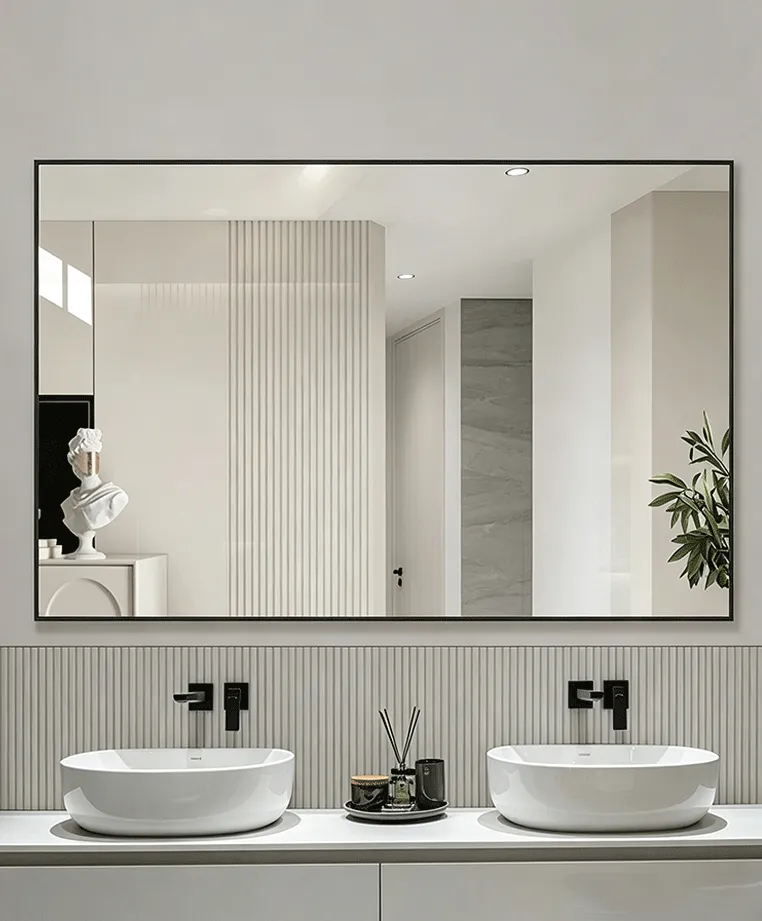
1. What Is the Difference Between Silver and Aluminium Mirror Glass?
Both products use a glass base, a reflective metal layer, and protective backing paint. In Leader Glass’s silver version, the backing includes a silver film, a copper film, and two or more layers of protective paint. Buyers can consider it for applications where image clarity and appearance are priorities, such as vanity units, dressing areas, and hospitality interiors. Silver mirror
Our aluminium version uses an aluminium layer with protective backing paint. It gives buyers a price-conscious option for furniture, decorative walls, and other interior applications. Compare samples of both products under the same lighting and at the thickness you plan to buy. That is more useful than judging reflection quality from a catalogue photo.
| Buying consideration | Silver-backed option | Aluminium-backed option |
|---|---|---|
| Backing construction | Silver layer, copper layer, and protective paint | Aluminium layer and protective paint |
| Typical buying priority | Image clarity and appearance | Balance of appearance and material cost |
| Applications to consider | Vanity units, furniture, and hospitality interiors | Furniture, decorative walls, and commercial interiors |
| What to verify | Sample appearance, backing, and suitability for the location | Sample appearance, stock sizes, and fabrication scope |
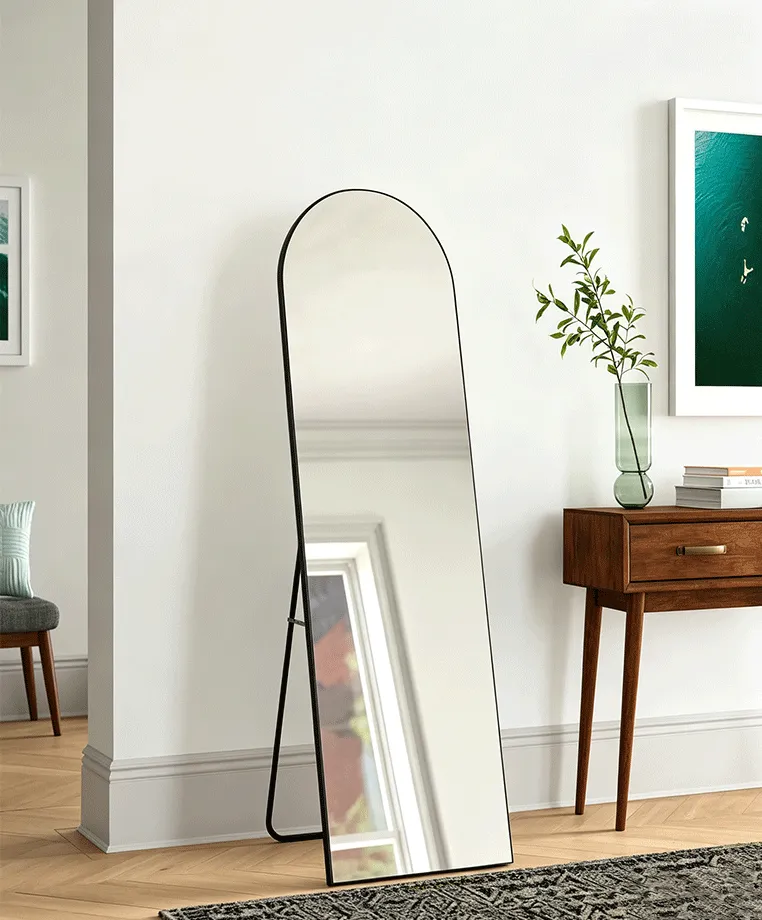
2. Should You Buy Stock Sheets or Finished Mirrors?
Stock sheets suit wholesalers and glass processors that cut several sizes locally. Leader Glass lists sheet formats such as 1220 × 1830 mm, 1830 × 2440 mm, and 2250 × 3300 mm for both backing types. Compare the proposed sheet format with your cutting layout. A larger sheet may yield more finished pieces for one order and leave more offcuts for another. Also confirm that your equipment can handle the sheet format and weight. Mirror glass range
Finished pieces are worth considering when the size list is settled and the receiving team wants to move directly to assembly. A cabinet manufacturer, for example, might order three recurring widths with an identical edge finish and a separate item number for each. To compare the two buying routes, include local cutting, edge work, offcuts, packaging, and handling in your calculation. The useful figure is the cost per usable finished piece.
3. What Should a Custom Mirror Specification Include?
Give the supplier the finished width, height, and thickness for each item. A rectangular panel may need only a dimensioned sketch. For a shaped panel, add the full outline, corner radii, and the reference edge used to locate holes or notches. Identify which face the drawing shows, especially when the shape is asymmetric. Include a revision number so purchasing, production, and inspection use the same drawing.
Specify the treatment for each edge. A framed piece may conceal all four edges, while frameless mirrors leave them visible. If you want a polish or bevel, show which sides receive it and state the desired appearance or bevel width. Confirm fabrication feasibility for the proposed thickness and shape before releasing the order. The National Glass Association explains why protecting the backing and edges matters during processing.
| Send with your inquiry | Include these details |
|---|---|
| Glass selection | Silver or aluminium backing, base glass colour, and thickness |
| Dimensions | Finished size, shape, and any required tolerances |
| Edge finish | Edges to polish or bevel and the required appearance |
| Cutouts and holes | Size, position, reference edge, and drawing orientation |
| Order list | Item number, drawing revision, and quantity by size |
| Delivery information | Destination, crate labels, and packing groups |
4. How Do You Choose a Mirror for a Bathroom or Cabinet?
For a bathroom vanity, start with the wall layout. Check the position of the countertop, lighting, outlets, and fittings. Share the expected moisture exposure and cleaning routine with the supplier. Protective backing paint is one part of the specification. Edge exposure, ventilation, and the mounting system also matter. Where the project calls for safety backing or another specific construction, ask the supplier to confirm what it can offer for the proposed panel.
For a cabinet door or furniture insert, check the frame opening, retaining system, and finished panel thickness together. If one supplier provides the frame and another provides the glass, circulate the same approved drawing to both. For a new furniture line, use a finished sample to check how the piece sits in the frame and whether the exposed edge looks as expected. If the same project includes shower doors, list the tempered glass and reflective panels as separate items with their own drawings and requirements.
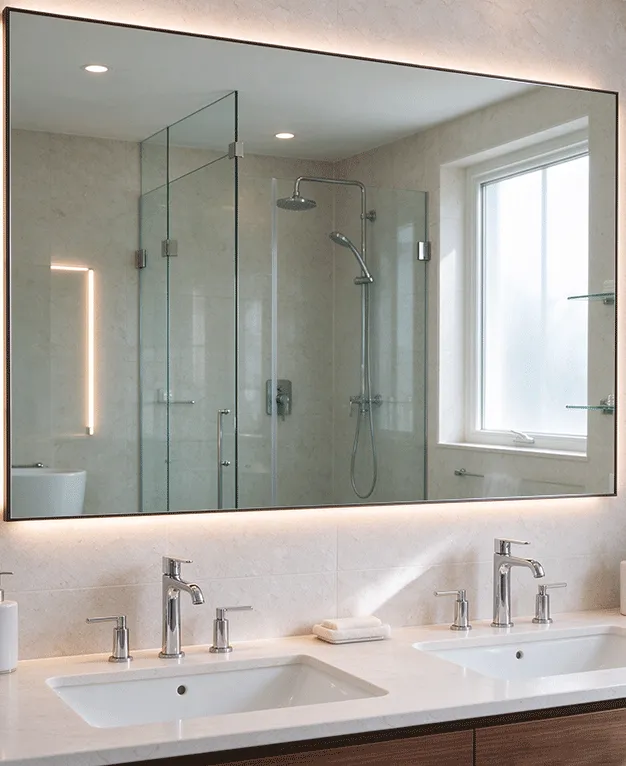
5. What Information Do You Need for Mirror Glass Replacement?
Measure the opening and check the original panel details if you have them. A replacement mirror may need to match the old thickness, edge profile, corner shape, and fixing positions. For a framed unit, confirm how the glass sits inside the frame. For a wall panel, check whether the original clips, channels, or other fittings will be reused. Send both the opening dimensions and the proposed finished dimensions so the supplier can see how they relate.
Appearance becomes especially important when replacing one panel next to several existing ones. Two pieces may match in width and height but differ visibly in colour or bevel width. Send the original item number and drawing revision if available. Photos help show the layout, but a physical sample or agreed finish reference gives the supplier a better basis for checking appearance.
6. How Do You Specify a Decorative Mirror Finish?
Start with the reflection you want. Clear glass provides a familiar appearance for most interiors. Vidrio líder also lists ultra-clear and coloured base glass options for both backing types, including bronze, Euro grey, blue, and green. Review the sample beside the actual paint, wood, tile, or metal finish. A bronze or grey reflection can look quite different under daylight and warm indoor lighting.
If the interior design calls for an antique appearance, define the pattern with a physical reference and ask about availability before including it in the order. Antique mirrors vary in the density and placement of their visual effects. Likewise, if a brief mentions one-way mirrors or two-way mirrors, ask the designer whether the requirement is ordinary reflection or a partially reflective viewing panel. The answer changes what the supplier needs to quote.
7. What Should You Confirm About Mirror Installation and Cleaning?
Confirm the proposed mounting method with the installer before ordering. Framed pieces, clips, channels, and adhesive systems can each affect panel dimensions and clearances. If the plan includes adhesive, verify compatibility with the exact backing and follow the mounting guidance for the selected construction. For large or heavy panels, share the dimensions and thickness with the installer so the supports can be planned in advance.
Agree on a cleaning routine with the buyer or maintenance team. Use an approved cleaner and a soft cloth, avoid soaking the edges, and dry them promptly. This matters in bathrooms, hotels, and other spaces that receive frequent cleaning. The National Glass Association links prolonged exposure to cleaning liquids at the edges with the darkening commonly called black edge.
8. What Affects Bulk Mirror Pricing and Export Packing?
Backing type, glass thickness, finished size, shape, and order quantity all affect pricing. Fabrication also changes the quote. A basic rectangular piece and a bevelled panel with holes can have the same area but require different work. Ask each supplier to quote against the same drawing revision and item list. Check whether the quoted price includes edge work, inspection, packing, and the same delivery terms.
For a mixed shipment, decide how the receiving team will use the goods. A wholesaler may want crates grouped by size and SKU. A hospitality buyer may prefer grouping by room type or floor. Agree on the crate identification, piece counts, dimensions, and weights before dispatch. If you need spare pieces for future replacement, give them their own quantities and packing instructions so they are easy to locate.
9. How Do You Request a Quote and Approve the First Batch?
Send a size schedule, quantities, intended application, and delivery destination. If you have yet to choose the backing, ask for silver and aluminium options against the same dimensions and edge finish. If the design is still in development, separate confirmed items from provisional ones so the supplier can show which parts of the quote may change.
Choose the sample based on what you need to check. A small sample helps you compare colour and reflection. A finished first piece also lets you check the outline, bevel, holes, and fit with the frame or hardware. Keep the approved reference with the order documents, especially when you expect to reorder the same item.
At Leader Glass, we supply mirror products from Qingdao, China, with more than 15 years of export experience. We work with glass importers, distributors, furniture makers, and project buyers sourcing both stock sheets and finished pieces. Send us your drawings, size list, and destination so we can review available formats, fabrication options, and export packing for your order.
FAQ
Which is better for a vanity, silver or aluminium?
Compare the reflection, backing construction, and total quoted cost for the specific installation. Silver is a good option to evaluate when image clarity is a priority. Share the expected moisture exposure and mounting details before choosing either type.
Can I order several custom sizes in one shipment?
Send the full size list and quantity for each item so the supplier can check fabrication and packing. Give each size or edge treatment a separate part number. This makes it easier to check the quotation and count the pieces when they arrive.
What affects the cost of a custom mirror cut to size?
The base glass, metal backing, thickness, finished dimensions, edge work, holes, and quantities affect the price. For overseas orders, compare packing and delivery terms on the same basis as well.
Can a supplier match an existing decorative mirror?
Provide the original item reference, finished dimensions, backing or tint details, and a sample if available. Matching the edge profile and reflected colour matters most when the new piece will sit beside existing panels.